
Vbeam Laser for Redness and Visible Vessels
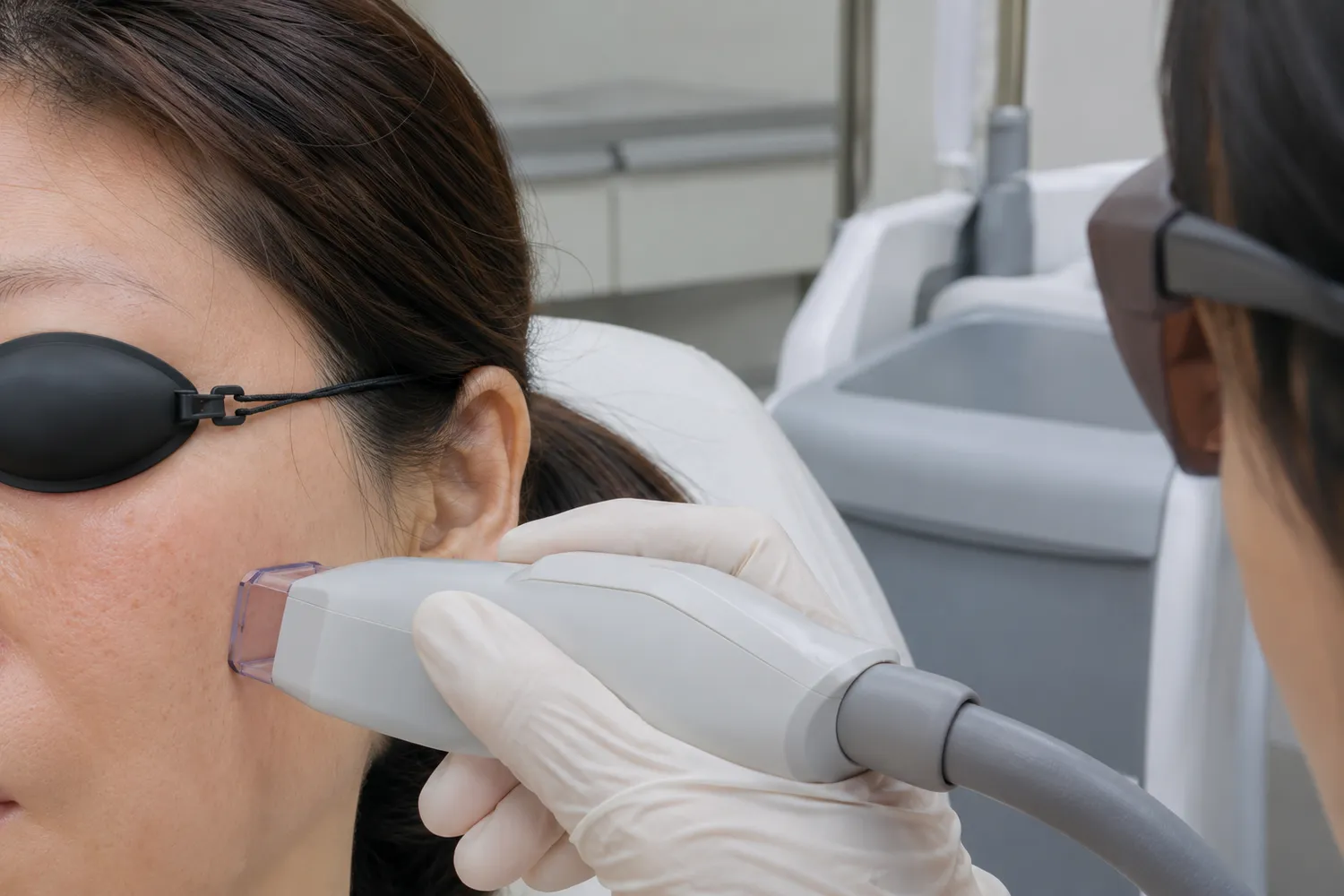
This page is the starting point for the Vbeam pulsed dye laser and for the redness and visible vessels it is used on. You do not need to know anything about lasers to follow it. The pages below are ordered from the first question to the finer detail.
How the laser works
Cleveland Clinic says the Vbeam is a pulsed dye laser that works by selectively heating and destroying blood vessels without damaging the surrounding tissue. That one sentence explains why the laser is linked with redness and visible vessels. The American Society of Plastic Surgeons has also written about whether laser treatments can refresh your look, for readers who want the wider picture.
What to expect afterward
Plan for some downtime. Cleveland Clinic says that after treatment with a Vbeam laser, treated areas are typically red and swollen for several days. Knowing this ahead of time helps you pick a quiet week.
Four pages, from first question to detail
- Pulsed Dye Laser Results for Rosacea Redness is the best first stop if redness is your main concern.
- What Reviews Say About Laser Therapy for Redness gathers what reviewers report.
- How Well Lasers and Lights Treat Rosacea compares the options in plain terms.
- Sclerotherapy and Laser for Spider Veins is for readers whose concern is visible veins.
If rosacea is the question
The American Academy of Dermatology has a page on rosacea treatment that is worth reading next to this one. For other laser types, Cleveland Clinic has a guide to laser skin resurfacing. If resurfacing interests you more than redness, the Fraxel and Fractional Laser Resurfacing page is the place to go.